Ukra Project
Ukhra village is an ancient hamlet of Paschim Bardhaman. Rich in Shaivite-Shakta-Vaishnava akharas and temples, the village is not identified as poor one, but to SEVAA, this hamlet seems problematic in other way.
(a) Although there are more than 15 primary schools and more than 5 high schools in that village, considering both government as well as private institutions, we made survey upon 5 schools and one High school, and astonishingly found that 50 percent of the children reading do not have the reading ability according to the standard. Eighty percent of children do not have their own writing ability. The mathematical ability is also lower than the state average. On the other hand, there is a huge difference between the children of the neighbouring tribal villages and the children of the affluent families of Ukhra village. While affluent families tend to send their children to Private schools, the Govt schools are mostly catering to the need of slum dwellers and marginalised families of the adjoining villages.
b) Although most of the people in the village can afford to take medical treatment, they have less health
awareness. Most people suffer from various common diseases including high blood sugar, hypertension, knee pain etc. and a seer lack of awareness has been observed during survey. On the other hand, a large number of people in this village and the people of the surrounding tribal areas are deprived of basic medical facilities. The village health centre is lacking in providing basic health facilities and having only one to two permanent doctors to take care of a huge population.
c) Rapid Soil -sinking and deforestation are daily occurrences due to the location of the villages in coal-mining area of West Bengal. Due to the deterioration of the environment, the civic life of this area has become miserable.
d) Being a century -old semi- urban habitation, the drainage system is very poor and the village gets inundated during the monsoon period due to lack of proper water drainage.
E) Besides, though the village has the rich tradition of religious culture, it gets almost stagnant. Although the akhras are still run on diversified faith, all usual cultural practices, including folk music, musical instruments, kirtan and Ramayana songs, jatrapala, drama, which once have been practised since olden times, are now on the verge of closure.
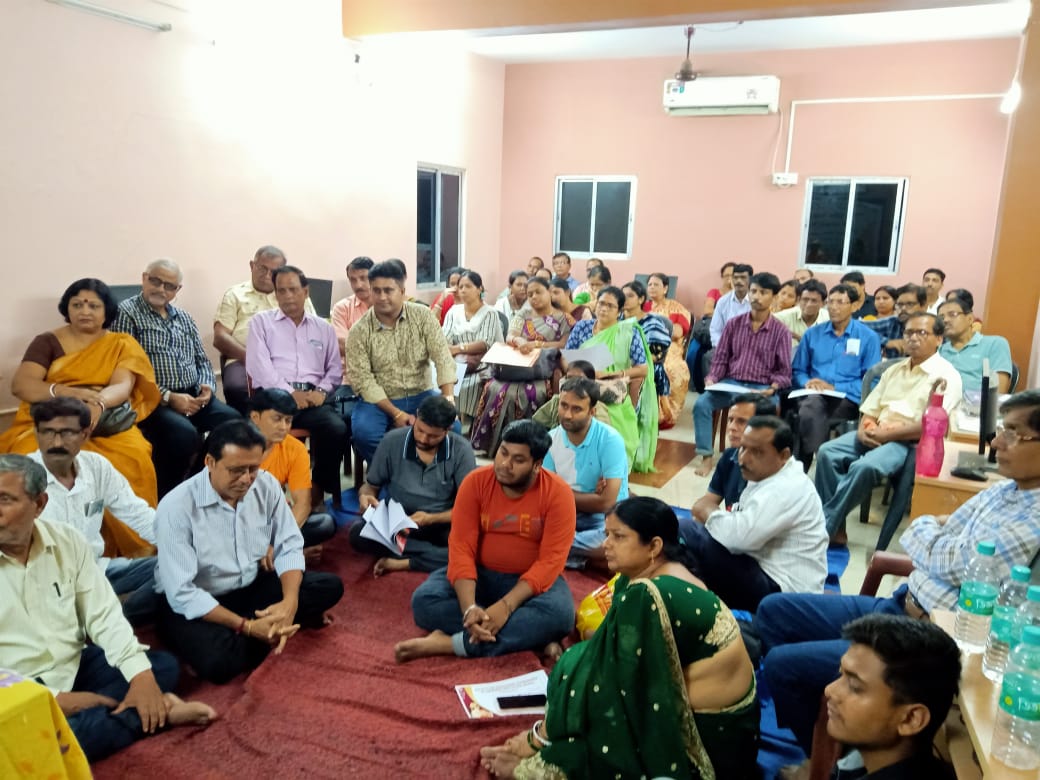
Seeing all these problems in a new way, 'SEVAA' tried to organise the youth, well-wishers and educated people of this village together. After several discussions, a new unit of 'SEVAA' could be opened in the village and named as 'SEVAA, Ukhra' and simultaneously a separate Bank Account has been created. This unit is independently considering their problems in the area and trying to solve them.
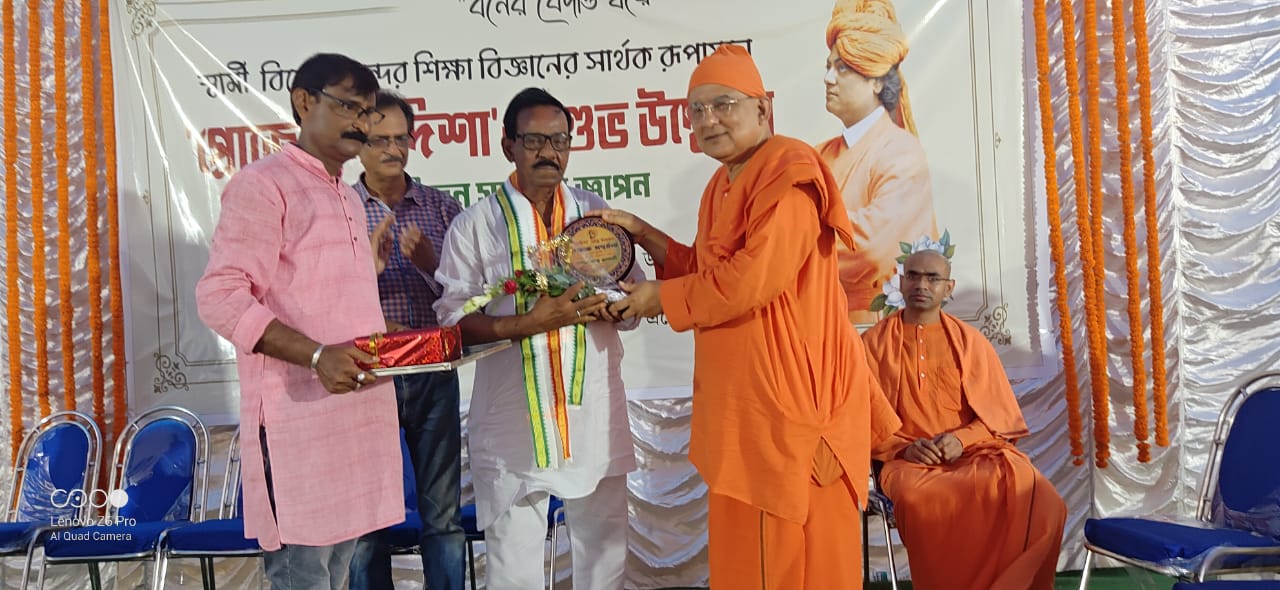
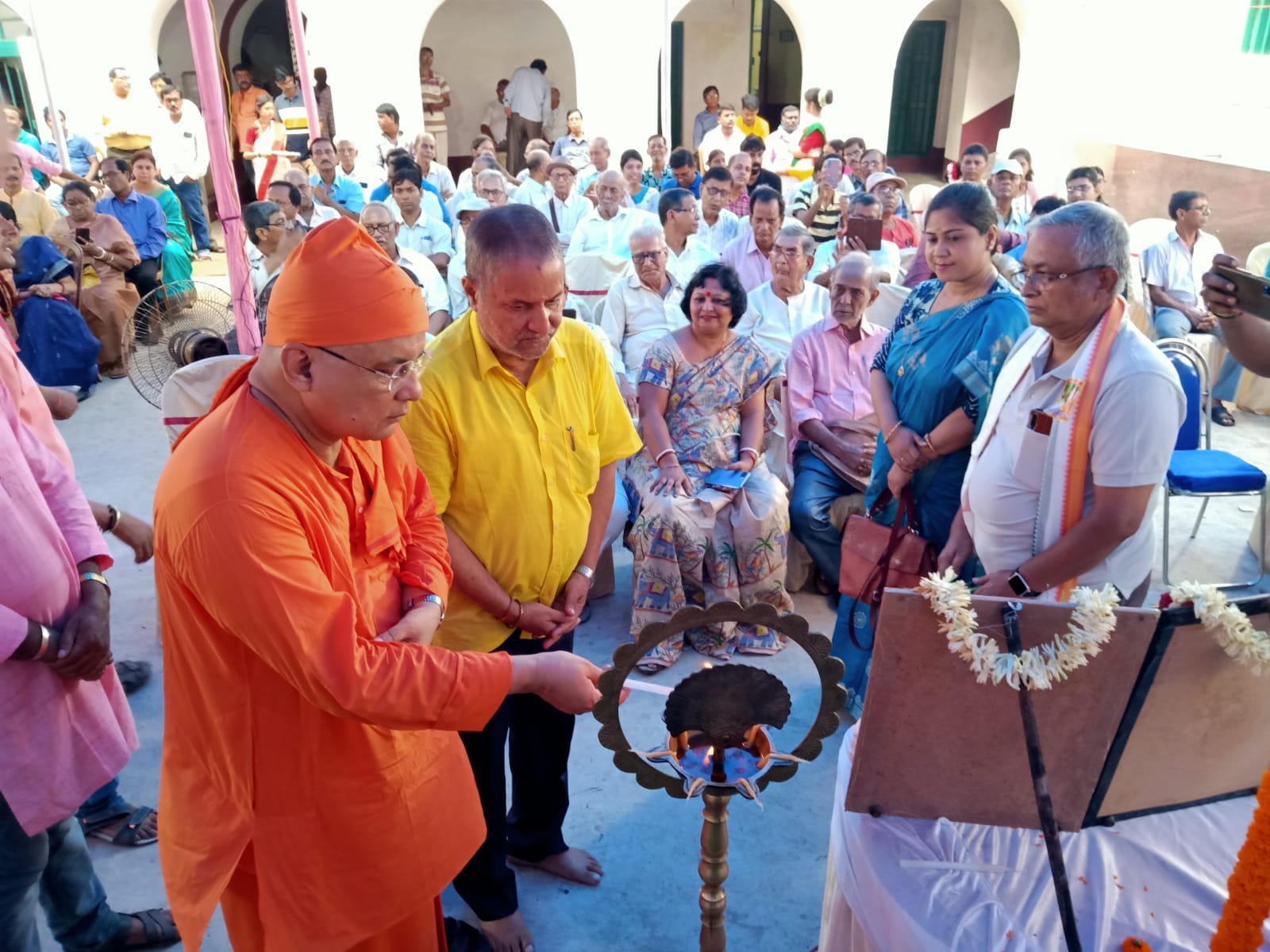
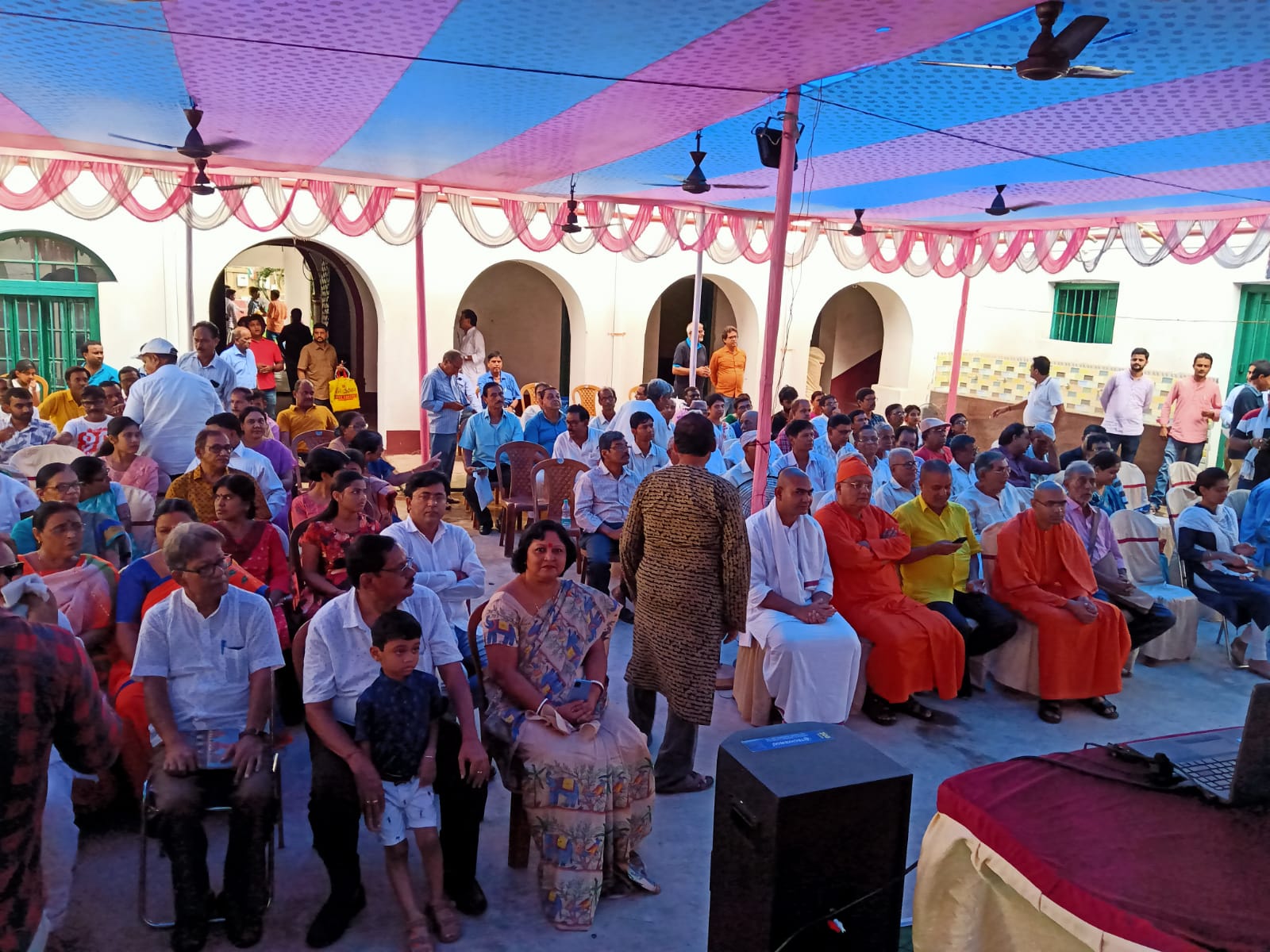
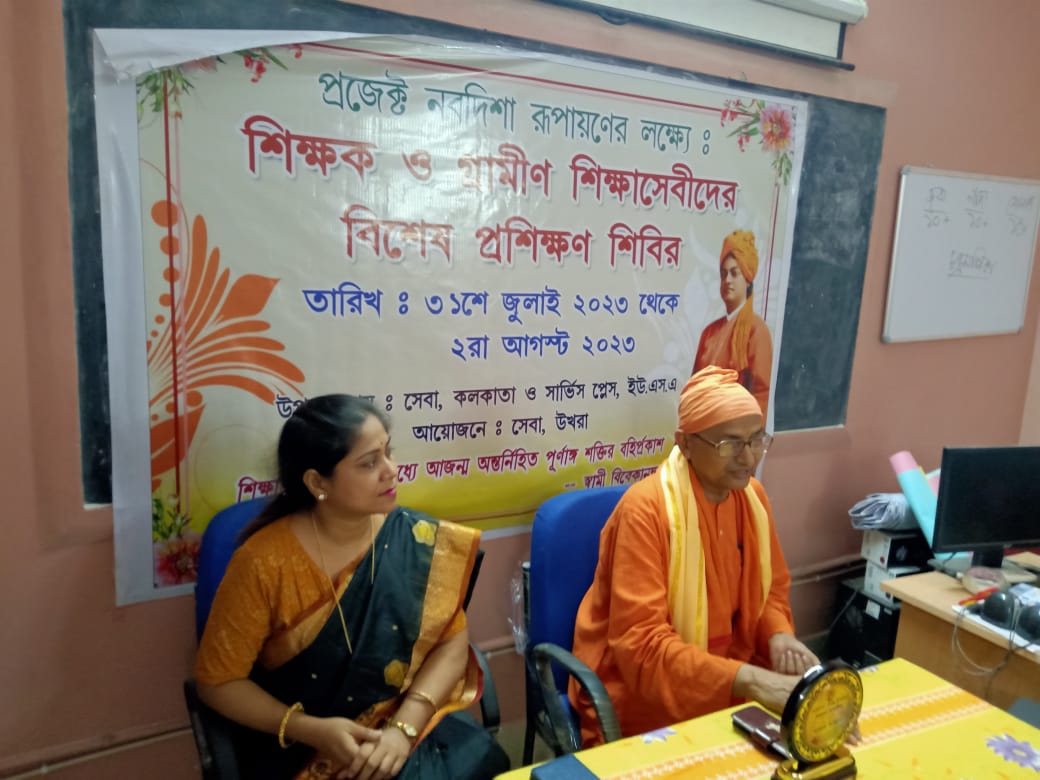
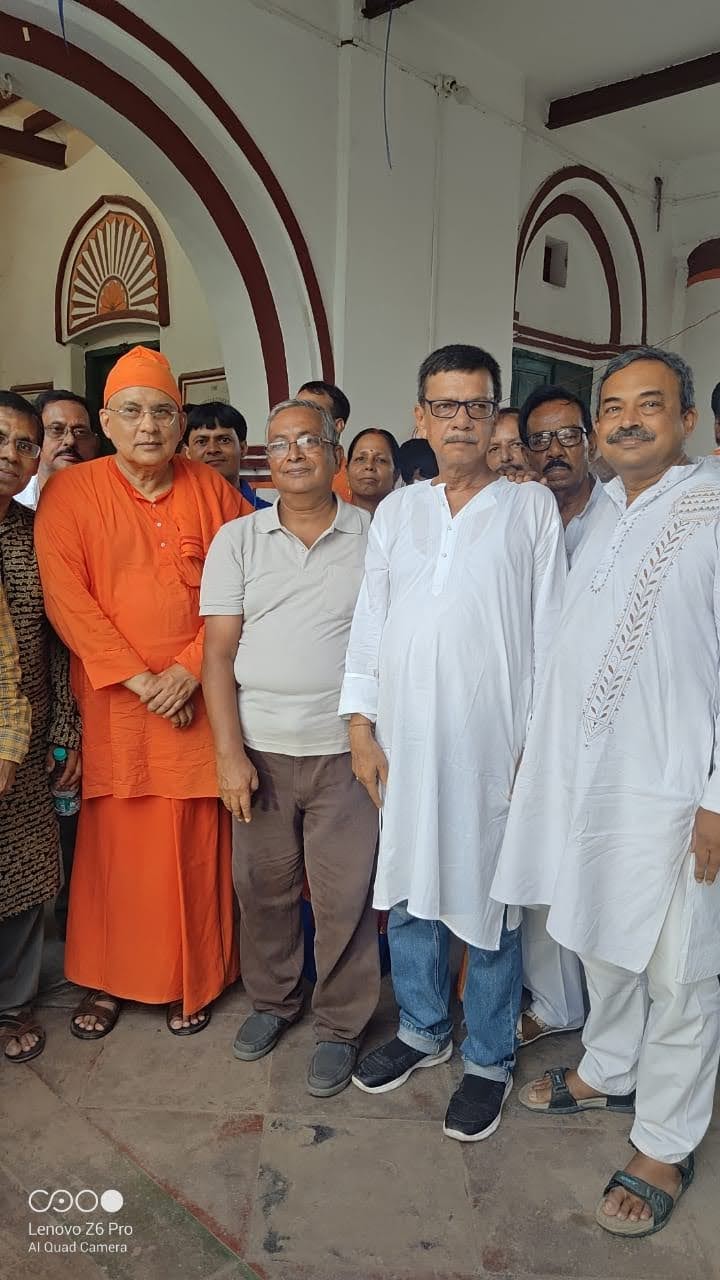
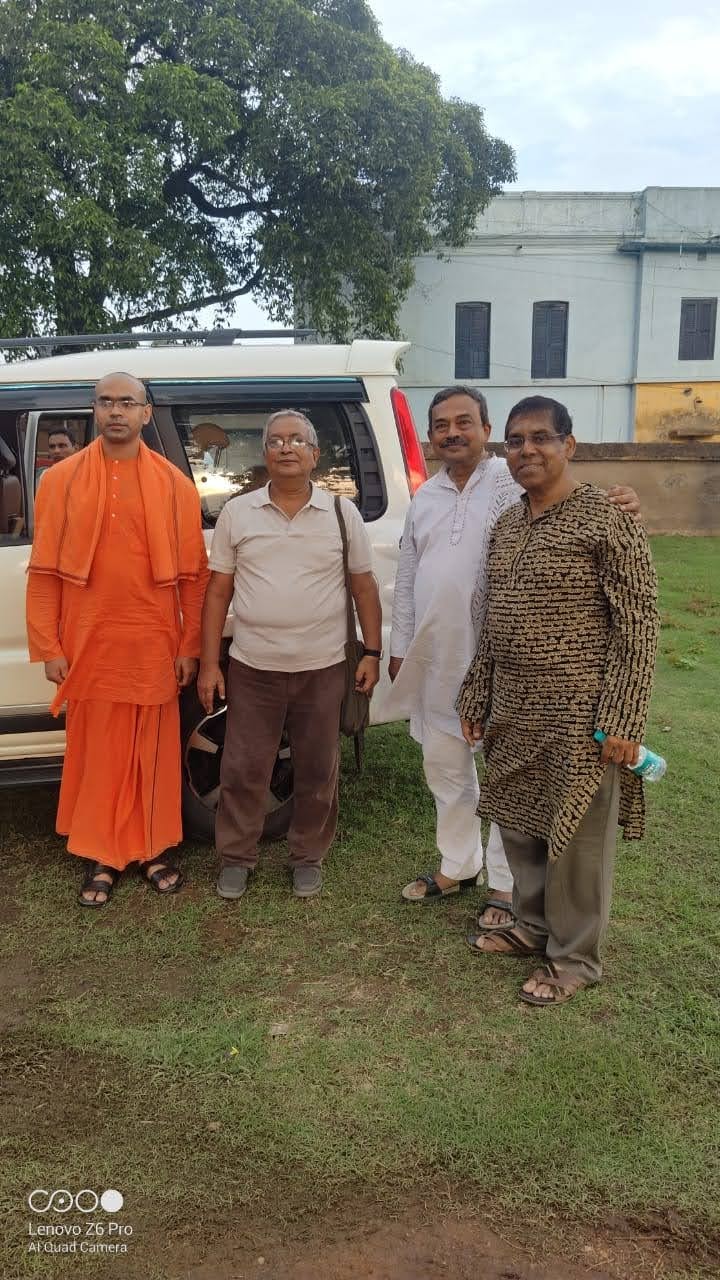
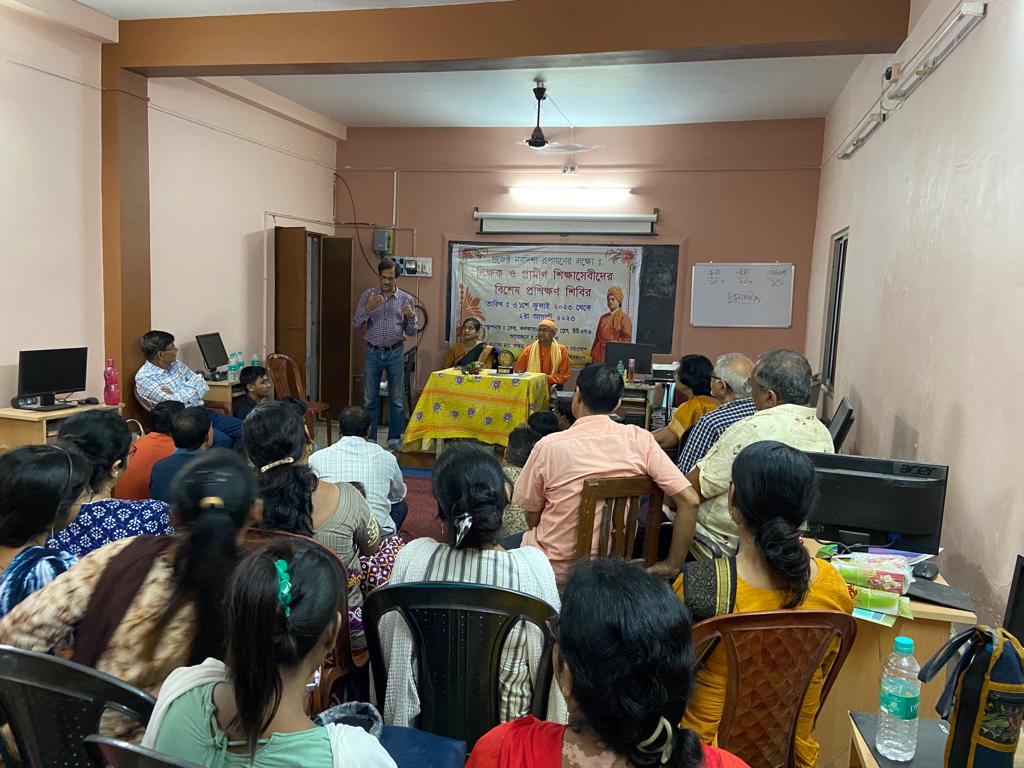
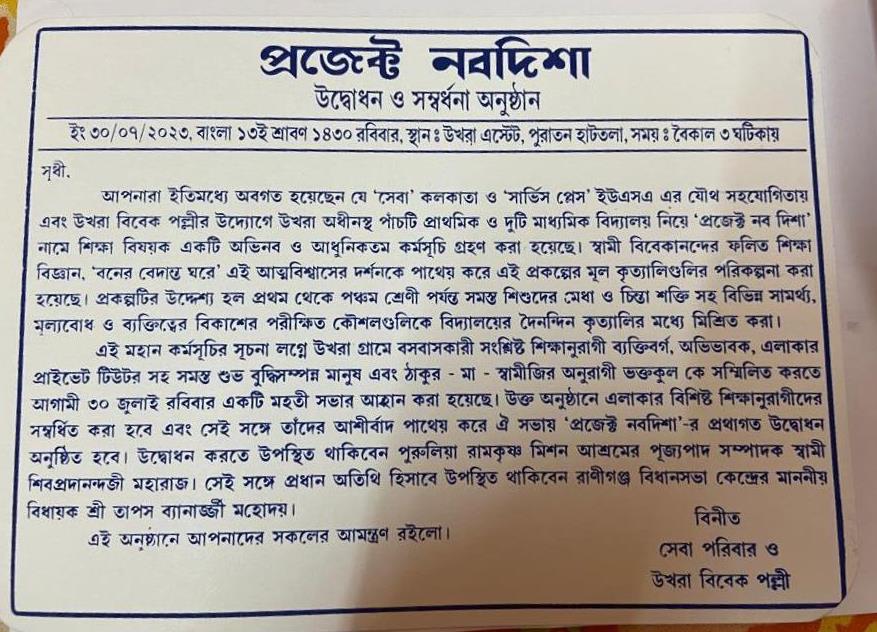
In the month of August 2023, the 'Navdisha' programme was inaugurated. Revered Swami Shivpradanandaji Maharaj, Secretary of Purulia Ramakrishna Mission remained present on the occasion. He mentioned the great Sri Ramakrishna movement for nation building. He prayed that 'SEVAA, Ukhra' could expand its initiatives in various programmes with great enthusiasm. a training camp for teachers of six schools was held for three days. On the last day, Maharaj Swami Bharupananda, Headmaster of Asansol Ramakrishna Mission School, handed over certificates to all the teachers.
A) Ukhra Nabadisha:
A project has been started with five primary schools and one Girls' High school in the village with the funding of 'SEVAA'. It has been named 'Ukhra Nabadisha'. Under 'Nabadisha', all primary school students and girls children of class V of the High School have been included. About 900 children are covered under the project. The main objectives of this project are –
* Develop quality reading ability among 100% children
* Develop appropriate ability to listen and speak.
* Develop the skill of observation and the art of reasoning.
* Develop independent writing abilities.
* Develop creativity among students. The following activities were taken to make the programme successful:
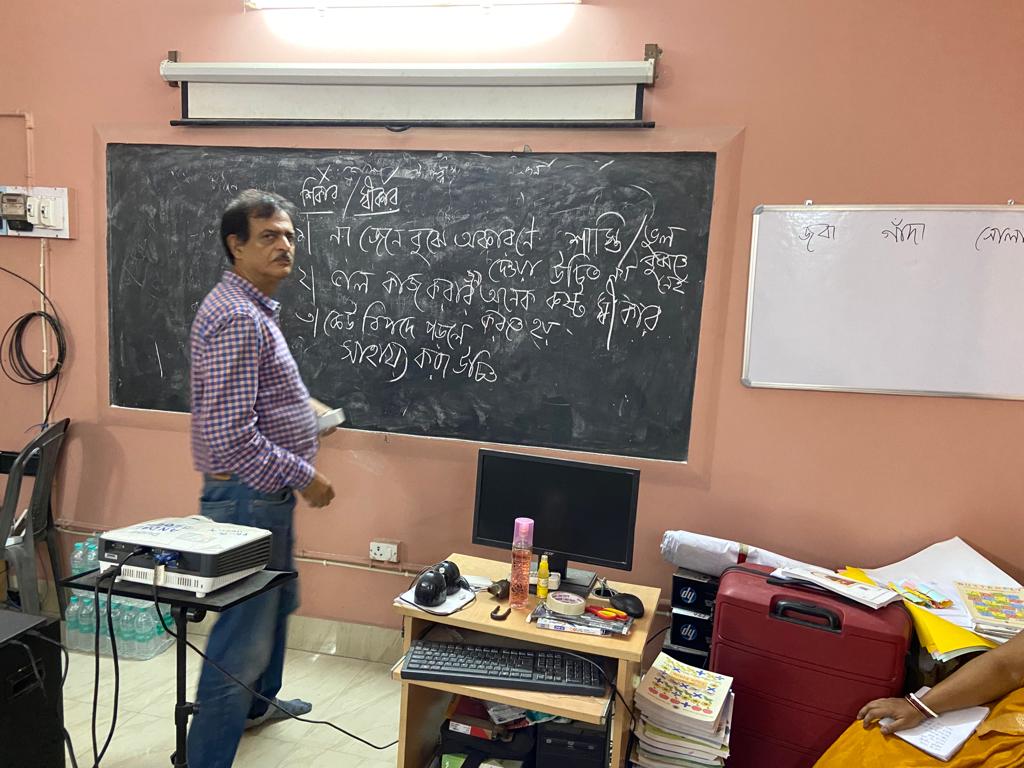
1) Teachers' training :
The programme war initially started through a teachers' training programme for 3 days. At the valedictory session, Swami Bharupananda ji Maharaj, the HM of Asansole R K Mission Ashram remained present for handing over the certificates to the trainees.
2) Joy box programme: A portable Audio Visual unit has been set up for this purpose. It has been called as Joy box. Two volunteers were engaged. They are entrusted to carry the Joybox from one ane school to another and attract the children in their lesson. The emphasis is on listening to stories and knowing the world and visualising problems. Through mind mapping, emphasis has been laid on concept development and enhancement of vocabulary.
3) Creative learning and value addition : Emphasis has been given on regular singing, recitation, dancing, painting in the classroom. The use of card charts and other T.L.M. is encouraged. In the last six months, there has been an increase in enthusiasm and participation among students in schools. Reading ability has increased among children who are lagging behind in reading. The trend of coming to school has also increased considerably.
B) SMART class :
For the first time, 'SEVAA' has started international education as per the routine of the concerned school during the school hours. Here, the SMART room of the girls' school was equipped with new cameras and two-way communication was ensured with the students of classes 11 and 12.
C) Tree Plantation Initiative:
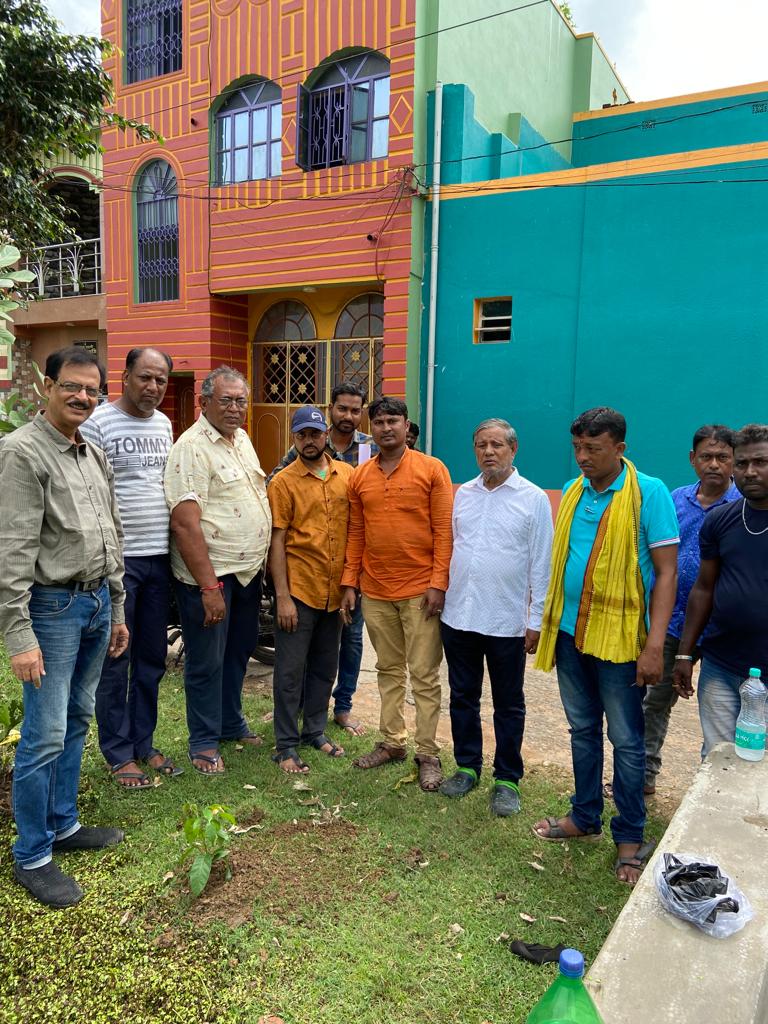
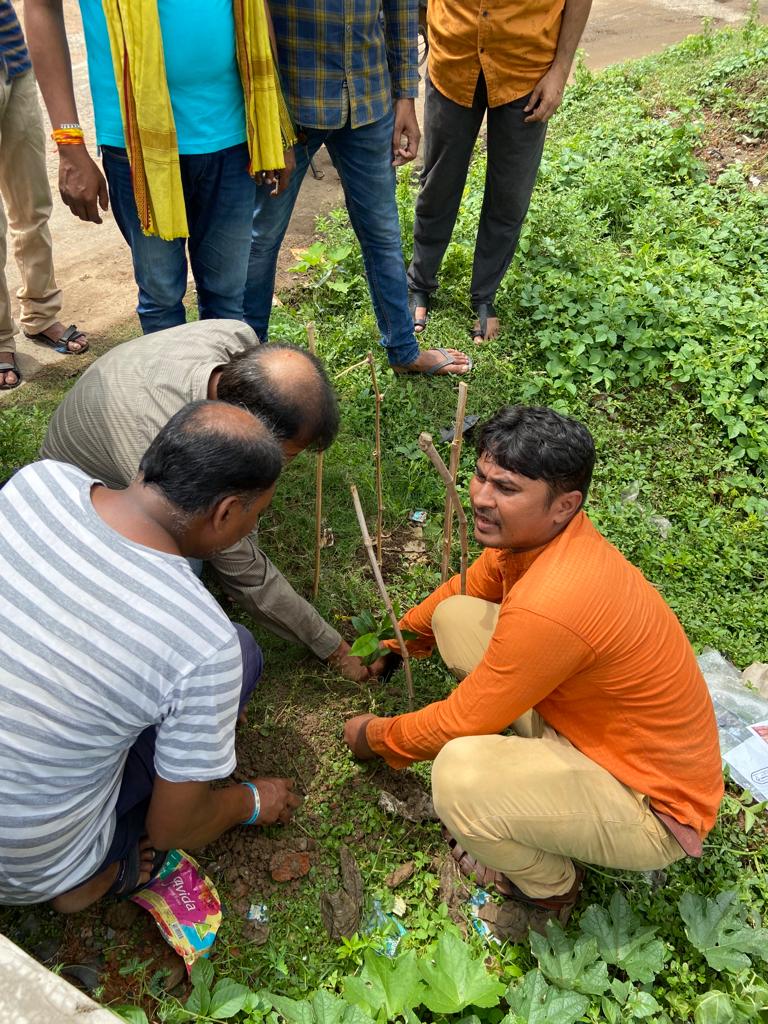
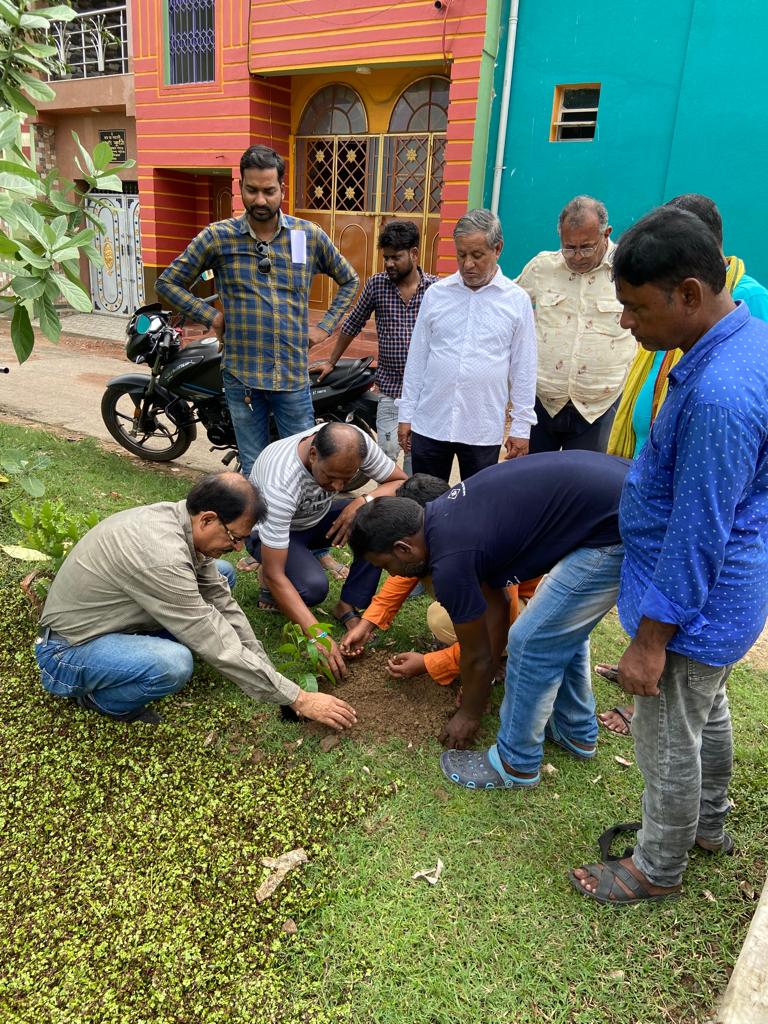
Within the village of Ukhra, the tree plantation festival was celebrated in 2023 by planting saplings of perennial trees on the banks of various water bodies in the locality. Most of the trees already planted rrmain alive and in the coming days they will be considered as assets of Ukhra, SEVAA.
D) Winter Service Creation Festival:
In December 2023, when all schools are closed, the 'SEVAA Creative Festival' was held experimentally with 100 backward students of Navadisha schools. A few volunteers of the village came forward, participated in two camps for four hours a day on five subjects – music, dance, drawing, recitation and drama. The camp went on for 10 days. On the last day, the children tried to highlight their achievements in the presence of teachers and parents. A mass feast was also arranged on that day and various gifts were handed over to them.